What It’s Really Like to Translate the Bible Around The World

Wycliffe Associates


Every Bible we hold in our hands exists because faithful believers worked carefully to bring God’s Word into another language. But for millions of people around the world, that translation work is still waiting to begin.
For the people doing this work, Bible translation is about more than replacing one word with another. It is a calling.
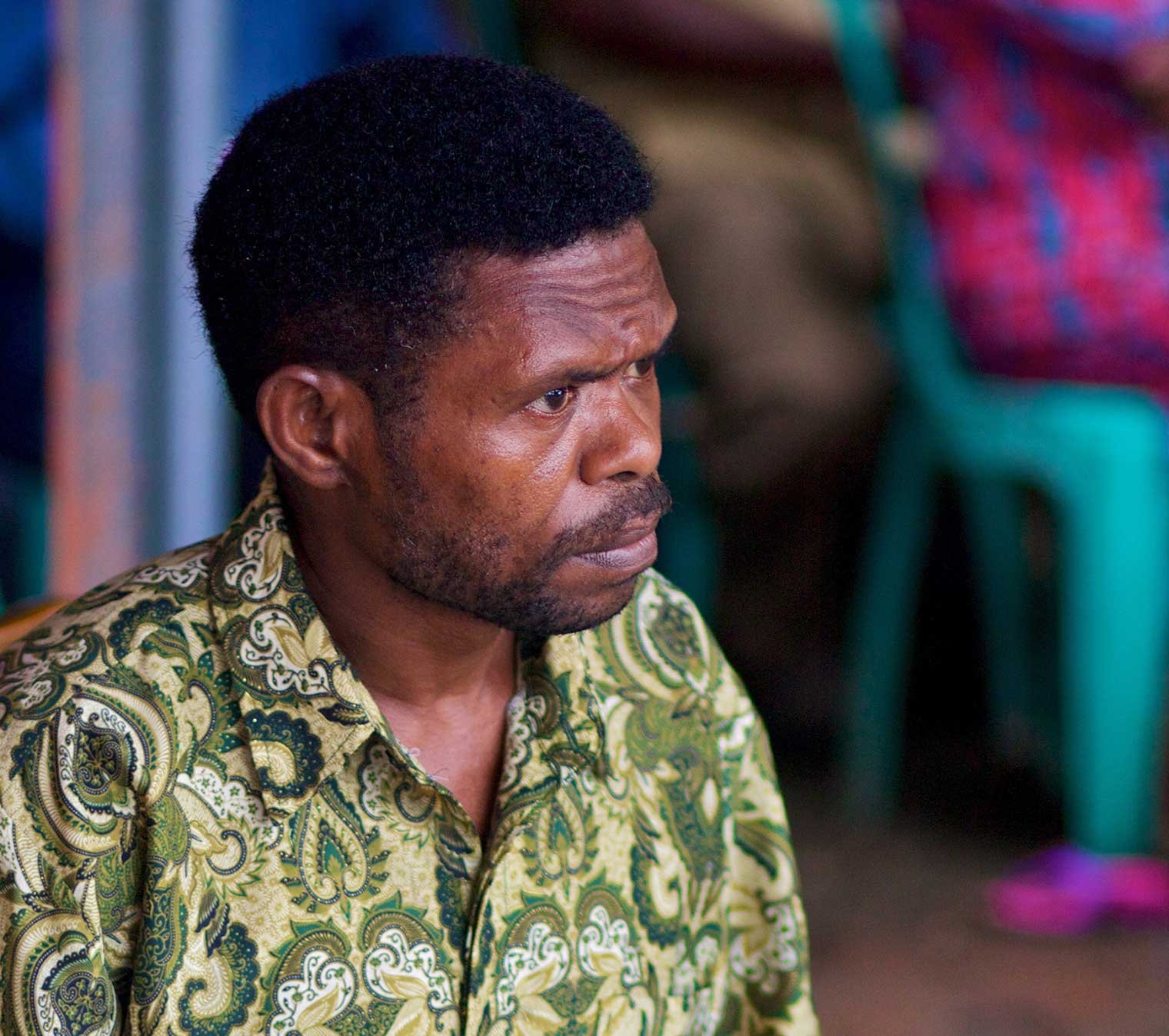
One Wycliffe Associates translator, Arga*, knows that feeling well.
A farmer by trade, Arga spent his evenings reading the Bible cover to cover for seven years. The more he studied, the more a question stirred in his heart: why wasn’t the Bible available in the language of his own people, the Rwa*?
Eventually he decided to begin translating it himself.
He spent four years carefully writing out a translation of the Old Testament by hand. But before the work could be preserved, tragedy struck.
Arga’s home in Southeast Asia caught fire, destroying everything he owned—including the manuscript he had spent years translating.
Many people would have stopped there. Arga did not. The dream of having a Bible in his own language still burned in his heart. He later learned that a translation project for his language was beginning—and he knew he needed to be a part of it.
“I wanted to try again,” he said. “I fasted and prayed, and I felt God telling me to just focus, start on the New Testament, and go book by book.”
Today Arga works alongside a team of local translators bringing Scripture to his people. His story reflects what Bible translation often looks like around the world—a long, often difficult journey with incredible impact.
A Calling Shared by Communities
Bible translation rarely happens alone.
In many regions, translation teams gather in workshops hosted by local churches. Pastors, teachers, and believers who speak the language fluently come together to work through passages of Scripture.
They read, discuss, question, and refine the wording together.
National Bible translators are translating Scripture for their own families, their own churches, and their own communities. That connection gives the work deep personal meaning.
One translator in the Middle East explains the importance of equipping local believers for the task:
“Our people need to be encouraged, trained, and taught how to translate the Bible. If we can give them those things, they will do the work,” says Nish*.
Because they are native speakers, local translators understand the rhythms and expressions of their language in ways outsiders cannot. They know how their people speak in daily life, how stories are told, and how certain words carry meaning within their culture.
This knowledge helps ensure that the translated Bible sounds natural and communicates clearly.
Wrestling with Words
Even for native speakers, translating the Bible is rarely simple.
Sometimes the challenge is linguistic. Some languages have never been written down before, meaning translators sometimes have to create alphabets and define vocabulary along the way as they translate the Scripture.
Other times the difficulty lies in expressing biblical ideas in ways that make sense within the local culture.
Translation teams may spend long hours discussing a single verse, searching for the best way to express the original meaning faithfully while making it understandable for their community.
For translators, this work carries a deep responsibility.
They know the words they choose may shape how their people understand Scripture for generations.
Enduring Hardship for God’s Word
Like Arga, many translators and their communities face significant hardships along the way. In some regions, translators endure persecution simply for following Christ—some have been beaten, threatened, or forced to move repeatedly to protect their families.
“When I accepted Jesus as my Savior, I was attacked, beaten with weapons, and hit on the head,” says Nish. “I filed a police report, but they said it was my fault because I had become a Christian. I was attacked again, and they tried to force me to return to Islam. Instead, I took my family and left the city.”
Nish and his family have had to relocate numerous times to continue this work, but they stay committed. Many translators like Nish continue to face deep personal pressure from their own communities or cultural traditions that oppose Christianity every day.
Others work in remote areas far from reliable electricity, internet access, or even basic resources, collaborating with teammates across long distances and difficult terrain.
Yet despite these challenges—physical danger, isolation, and limited resources—they continue the work faithfully, driven by the hope that their people will one day hear God’s Word in the language of their hearts.
Translating Together
Because of that responsibility, Bible translation is highly collaborative.
Translation teams regularly read passages aloud to each other, discussing whether the wording sounds natural and whether the meaning is clear. Sometimes they share draft translations with church leaders or trusted members of the community to ensure the message is easily understood. This process helps translators refine their work and strengthen the clarity of the final translation.
“The translation is now clearer and feels very natural, the way our people speak,” says Emmanuel, a Bible translator working in Zambia.
For translators, hearing Scripture sound natural in their own language is a powerful moment. It means the message of the Bible is beginning to take shape in words their people will understand. They will finally be able to connect to God’s Word in a more personal way.
When Scripture Finally Speaks the Language of the Heart
Bible translation is about making sure every person can encounter God’s Word in a language that not only helps them understand the literal meaning of the words, but that can speak directly to their heart. For many communities, the day they receive Scripture in their own language represents the first time in history this has been possible.
“Reading and hearing the Word of God in our mother tongue for the first time brought many of us to tears, not out of sorrow but from a deep happiness that comes upon this realization: God speaks our language too,” says David*, a pastor translating the Bible in partnership with Wycliffe Associates.
When Scripture is translated into the language people speak at home, in the marketplace, and in prayer, the message of the Gospel becomes profoundly personal. The work requires patience, perseverance, and deep faith, but translators like David continue because they know the impact it will have on their communities.
How You Can Be Part of the Story
Behind every translator are believers like you around the world who pray, encourage, and support the work.
You can be part of this mission by:
- Praying for local and national Bible translators and their communities, which offers foundational spiritual support for those around the world who are translating the Scriptures
- Supporting training, tools, and translation workshops where it is needed most through your financial gift
When God’s Word is translated carefully and faithfully into the language of the heart, it is truly transformational.
*Names have been changed for security purposes