What Is the Most Accurate Translation of the Bible?

Wycliffe Associates


What Is the Most Accurate Translation of the Bible?
For years, believers in communities around the world have gathered to hear Scripture read in a language that wasn’t their own. They could follow along, but something always felt distant. But through the work of Wycliffe Associate's national Bible translators, many of these communities have gotten the opportunity to hear the same passage in the language they grew up speaking–their heart language. For the first time, it felt like God was speaking directly to them.
That moment raises an important question: what does it really mean for a Bible translation to be “accurate?” Entire books and countless conversations have explored this question, and of course, these discussions matter. God’s Word deserves careful, thoughtful translation.
They also make one important assumption we cannot ignore: that the reader already has access to Scripture in a language we understand. Not only that, but that they have access to multiple versions of Scripture in the same language to choose from.
For millions of people around the world, that assumption isn’t true. Millions around the world still don’t have access to a Bible translation in their own heart language.
The discussion, then, becomes less about which English translation is “most accurate,” and more about helping ensure every person around the world has access to even just one translation in their own language.
Because every person needs all of God’s Word.
Redefining the Question
Believers know the Bible is important. But in many communities, they have never had it in the language they speak at home. They may be able to access the Bible in their second, third, or perhaps fourth language but that version doesn’t open up a true understanding of Scripture in a way that allows them to connect to it deeply.
For these people, the question “Which translation is most accurate?” sounds very different.
Imagine trying to understand Scripture through a second or third language you barely speak.
Imagine hearing Bible passages summarized or explained by someone else, because God’s Word isn’t available in your language.
“For generations, our people relied on Bibles in other languages, struggling to fully grasp or connect with the life-changing truths of God’s Word,” says our Tiriki New Testament Translation Team in Kenya.
Now imagine hearing God’s Word clearly in the language you learned as a child.
For many people, that moment changes everything.
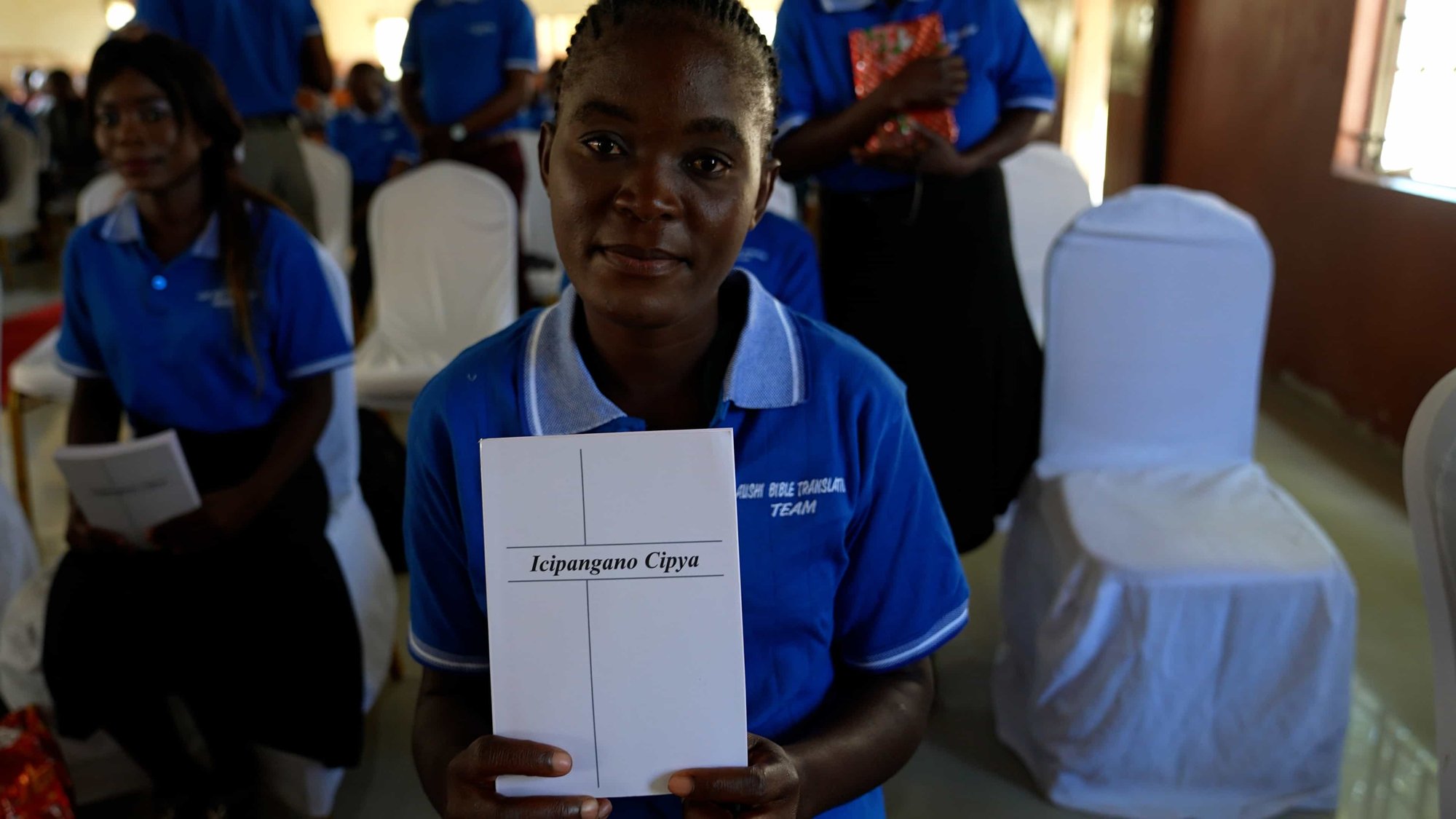
“The words are not just read; they are felt. They speak directly to our hearts,” says Cliff, a Bible translator in Zambia.
For communities like these, the most accurate translation is not the one debated in English-speaking circles. It is the one they can understand the best.
The Importance of Understanding
In the fields of both Biblical Studies and Translation Studies, accuracy is often discussed in terms of faithfulness to the original languages of Hebrew, Aramaic, or Greek, considering how to preserve the meaning, intent, and context of the source text. Textual accuracy matters. Comprehension is a critical component of biblical accuracy.
Language carries culture, emotion, and meaning. Words shape how people think, pray, and relate to God. When Scripture is translated into a person’s heart language—their mother tongue—the message becomes more evident and personal. That’s when God’s Word has even more opportunity to make a transformational impact.
“The translation is now clearer and feels very natural, the way our people speak,” says Emmanuel, a Bible translator in Zambia.
When Scripture sounds like their own speech, people no longer struggle to interpret unfamiliar phrasing. They can understand the message directly. This kind of clarity strengthens churches and deepens faith.
Knowing God’s word is a critical part of following Jesus, but memorization in someone else’s language and surface-level knowledge doesn’t have the impact that true understanding can. Everyone deserves to have the resources they need to really immerse oneself in God’s Word and get to know Jesus on a heart level.
Why Heart-Language Scripture Matters
Language is intrinsically tied to identity.
A heart language is the one a person uses when they pray quietly, teach their children, comfort their families, and share stories with their communities. The language they learned from their parents, their grandparents.
When Scripture is translated into that language, God’s Word becomes something more than a distant, foreign text. The Bible becomes part of everyday life.
That transformation is deeply personal as well as communal. Melina*, a young woman from a southern African nation, described how participating in Bible translation strengthened her faith, deepened her love for Scripture, and helped unite the Li* people around a shared purpose.
“For me, Bible translation is not simply a task or a responsibility; it is a life-changing journey that has drawn me closer to God and anchored my faith firmly in His truth. It has strengthened not only our language but also our bonds as a people,” she says.
A similar story is true in other parts of the world as well – impacting entire communities.
Church leaders in Southeast Asia once described how difficult it had been to teach from Scripture that was not available in their own language. Even though they valued the Bible, understanding it felt distant.
But when local translators began producing passages of the New Testament in their own language, everything changed.
For the first time, they could read Scripture clearly and explain it naturally within their culture.
The impact spread quickly. Churches grew stronger. New translation projects began in neighboring language groups.
When the Bible speaks the language of the people, the message of the Gospel becomes easier to understand—and easier to share.
Translation that Speaks to the Heart
So what is the most accurate translation of the Bible?
For scholars, the answer may involve manuscript evidence and grammatical precision. For pastors, it may involve clarity and teachability.
And for millions of people around the world, the most accurate translation is the one that allows them to hear God’s Word in their own language. Parents teach their children from Scripture in the language they understand best. Pastors preach with clarity. Believers grow in their faith and share the message with others.
The most accurate translation of the Bible is the one that allows people to understand God’s Word in the language of their hearts.
How You Can Be Part of the Story
Behind every translator are believers like you around the world who pray, encourage, and support their work.
You can be part of this mission by:
- Praying for local and national Bible translators and their communities, which offers foundational spiritual support for those around the world who are translating the Scriptures
- Supporting training, tools, and translation workshops where it is needed most through your financial gift
When God’s Word is translated carefully and faithfully into the language of the heart, it is truly transformational.
*Names and locations changed for security purposes