Ensuring Bible Translation Accuracy in Every Language

Wycliffe Associates


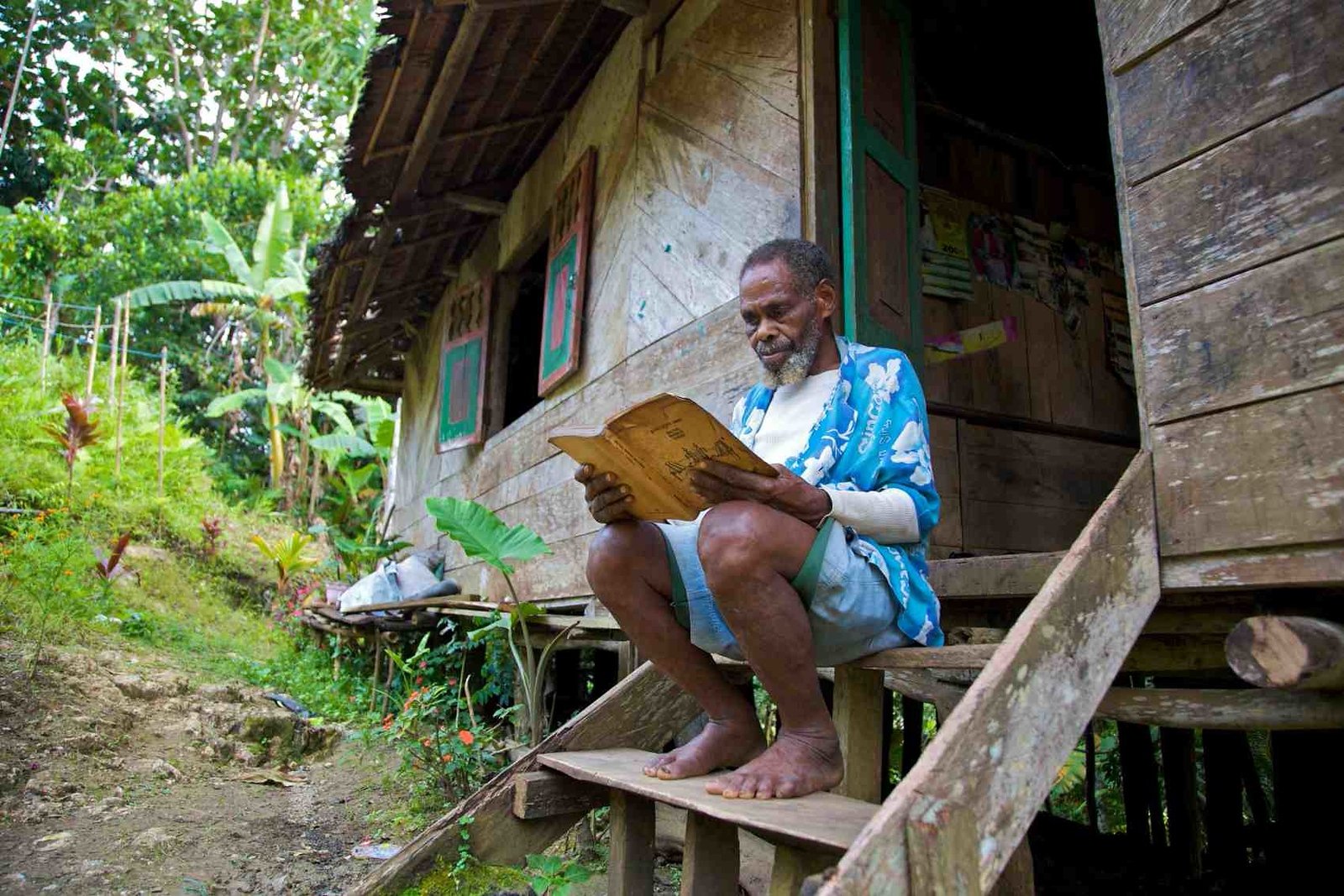
For many years, the people in Fidy’s* community in Zambia read the Bible in languages that weren’t their own. These languages are widely used in their area, so they could generally understand it – but something was missing.
“The Word of God was available in Bemba, English, or Nyanja,” Fidy explains. “But those are not the languages of our hearts.”
Then he describes what he knows will happen when the Bible is finally translated into Unga, the language his people grew up speaking.
“When we finally hear the Bible in Unga, something deep inside us will change. The message will become personal. It will speak directly to our souls,” he says. “We will understand clearly, and we will be moved—to faith, to repentance, and to obedience—in a way we never experienced before.”
For Fidy and many other local translators around the world, this is why accuracy matters so deeply. Bible translation is not just about replacing one word with another. It is about making sure God’s Word is understood clearly, faithfully, and naturally by the people who will read it, hear it, and build their lives upon it.
When Scripture finally speaks in a person’s heart language, everything changes.
Heart Languages Make Scripture Come Alive
People experience the Bible most deeply in the language of their everyday lives.
A heart language—one’s mother tongue—is the language they use when they pray quietly at night. The language they speak with their children. The language they use in the market, at home, and in moments of grief or celebration.
When Scripture is translated clearly and accurately into that language, it becomes more than words on a page. The Bible becomes something people can truly understand and live by.
“The Word of God should be treated with sincerity and care,” says Ayaan*, a Bible translator in Eurasia. “Even five to 10 years from now, when someone reads our work, it should be error-free, clear, and natural.”
Accuracy protects the meaning of Scripture and ensures that future generations will encounter the same truth that has guided believers for centuries.
But achieving that kind of accuracy—with nuance and deep resonance—requires something important: the people who know the language and culture best.
Translation Led by the Local Church
We believe that in most cases, the most effective Bible translation will be led by believers within the community itself.
We call this Church-Owned Bible Translation. This strategy places the work and responsibility of translation directly in the hands of local churches and native speakers. Instead of relying solely on outside linguists, the people who know the language best take the lead.
These translators understand far more than grammar or vocabulary. They know the stories, the cultural references, and the everyday expressions their people use.
Because of this, they can recognize immediately when a translation sounds natural and when it does not.
The process is deeply collaborative. Translation teams gather together, often in workshops hosted by local churches. They draft passages, review each other’s work, and refine the wording until the translation of Scripture is both accurate and clear.
Pastors, church leaders, and fellow believers also participate, listening carefully and offering feedback to ensure the translation truly speaks the language of the community.
This process not only transforms the lives of the people who will eventually read the finished product, but the translators themselves.
“The journey of translating the 27 books of the New Testament has transformed my life. Engaging deeply with Scripture in my heart language has brought me profound revelation, strengthening my faith and drawing me closer to God. As I worked through the reviews and checking, I experienced the Word of God like never before. It was no longer just text; it became alive within me,” says Elle*, a Bible translator in Tanzania.
Accuracy in these translations is therefore not the work of just one person. It is a shared responsibility – and a transformative experience – for an entire church family.
Bible Translation for Every Kind of Language
Some languages have no written form yet. Others are primarily spoken – meaning many people learn best by listening rather than reading. Still others are expressed through sign language or visual systems. But no one should have to go without the ability to hear and understand God’s word.
To ensure that Scripture is accurate and accessible in these contexts, Wycliffe Associates supports several comprehensive methods of translation. Bible Translation Recording Kits (BTRKs) allow translators to create audio recordings of the Bible for oral communities.
For Deaf and DeafBlind communities, we use innovative translation technologies like Deaf Owned Translation (DOT) and Symbolic Universal Notation (SUN). One Deaf community in a central African country has already seen an incredible impact of having the Bible translated into their local sign language.
“Many people now want to come to church to receive God’s Word by watching the Bible videos,” says DJ*, a Deaf Owned Translation team leader in this area. “Even Deaf people who didn’t go to school can understand what salvation means through the Bible in sign language. It is clear that their faith in Jesus is growing.”
The impact of this translation isn’t just about convenience. It’s so deeply personal, changing individual lives. One 19-year-old in particular had her life completely transformed by the Deaf Owned Translation in this country.
“One day I was at a translation workshop and I learned the parable of the Prodigal Son through local sign language, which is my heart language. As I took it in, a question burned in my heart: Do I really have to forgive someone who doesn’t love me?” she says.
“Through this Bible story, I realized that forgiveness is not an option—it is a path to healing. That day I made the decision to forgive my stepfather. From that moment on, everything changed,” she continues. “We finally spoke, we understood each other, and we reconciled. Today, I feel a deep peace, and I give glory to God for this transformation. Because I have the Bible in my language, my life has been changed.”
Each approach requires careful work, collaboration, and deep respect for the language and culture of the people receiving it. It is challenging work, but it is crucial. We must continue this work so that every community can encounter God’s Word in a way that is not only faithful to the original message, but meaningful in their own language.
Pathways to New Life
When an accurate translation is finally completed, the impact often reaches far beyond the translators themselves.
Families gather to read Scripture together for the first time. Pastors preach from passages that finally sound natural to their congregations. Children grow up hearing the stories of the Bible in the language they speak every day.
For communities like Fidy’s in Zambia or DJ’s in central Africa, new language translations are more than a completed project. They are pathways to new life in Christ.
How You Can Support Accurate Bible Translation
Accurate Bible translation does not happen alone.
Behind every translator are believers like you around the world who pray, encourage, and support the work.
You can be part of this mission by:
- Praying for local and national Bible translators and their communities, which offers foundational spiritual support for those around the world who are translating the Scriptures
- Supporting training, tools, and translation workshops where it is needed most through your financial gift
When God’s Word is translated carefully and faithfully into the language of the heart, it is truly transformational.
*Names have been changed for security purposes